1. Peel the Chickpeas
Slipping the skins off the cooked chickpeas removes the papery bits that keep hummus grainy, leaving nothing but smooth flesh to blend. It takes a few minutes of pinching, but the payoff is a silkier texture you can actually feel. To speed things up, rub the warm chickpeas in a clean towel and most skins will loosen on their own.
2. Simmer with Baking Soda
Adding a half teaspoon of baking soda to the pot breaks down the chickpea skins and softens the beans as they cook. The result is chickpeas so tender they practically melt in the blender, giving you that whipped, cloud-like consistency. Rinse well after cooking so no soapy flavor lingers.
3. Blend the Tahini First
Whipping tahini with lemon juice and a little ice water before adding chickpeas turns it pale, fluffy, and airy. This emulsion becomes the creamy base that coats every bean and stops the paste from turning stiff or oily. Blend until it lightens in color and thickens slightly, then add the rest.
4. Use Warm Chickpeas
Blending chickpeas while they are still warm from the pot helps them break down faster and smoother than cold ones straight from the fridge. The gentle heat softens the starches so the machine can whip them into a fine puree. If using canned beans, a quick simmer or a minute in the microwave does the trick.
5. Add Ice-Cold Water
Streaming in a few tablespoons of ice water at the end lightens the whole batch and fluffs it up beautifully. The cold shock helps the tahini emulsify and gives hummus that pale, airy lift instead of a dense paste. Add it slowly, a spoonful at a time, until the texture turns pillowy.
6. Choose Quality Tahini
A smooth, pourable tahini made from good sesame seeds is the backbone of creamy hummus, while a bitter or gritty one drags the whole dip down. Stir the jar well before measuring, since the oil separates and the thick paste sinks to the bottom. Look for one that ribbons off the spoon rather than clumping.
7. Balance with Fresh Lemon
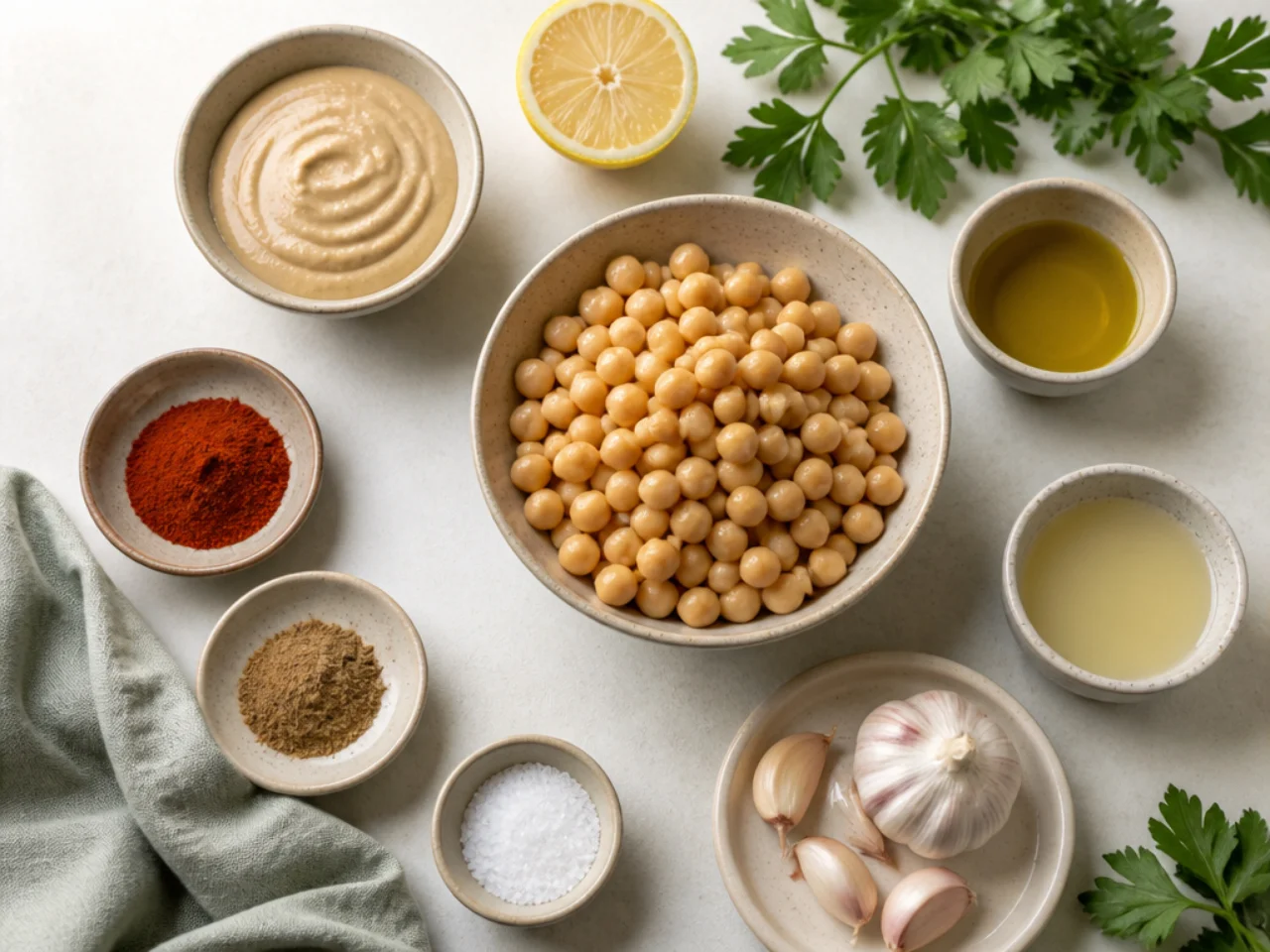
Fresh lemon juice brightens hummus and keeps the richness from feeling heavy or flat on the tongue. Squeeze it just before blending so the flavor stays lively and sharp rather than dull. Start with one lemon, taste, and add more if the dip needs a little more zing.
8. Season the Garlic in Lemon
Soaking minced or grated raw garlic in lemon juice for ten minutes tames its harsh bite before it ever hits the blender. The acid mellows the sharpness so you get warm garlic flavor without the aftertaste that lingers for hours. Strain out the solids if you want the taste without any texture.
9. Cook Dried Chickpeas
Starting from dried chickpeas soaked overnight gives you creamier, more flavorful hummus than the canned kind can offer. Slow cooking lets them soften completely, which means a smoother blend and a fresher, nuttier taste. Batch-cook and freeze the extras so a great dip is always within reach.
10. Blend Longer Than You Think
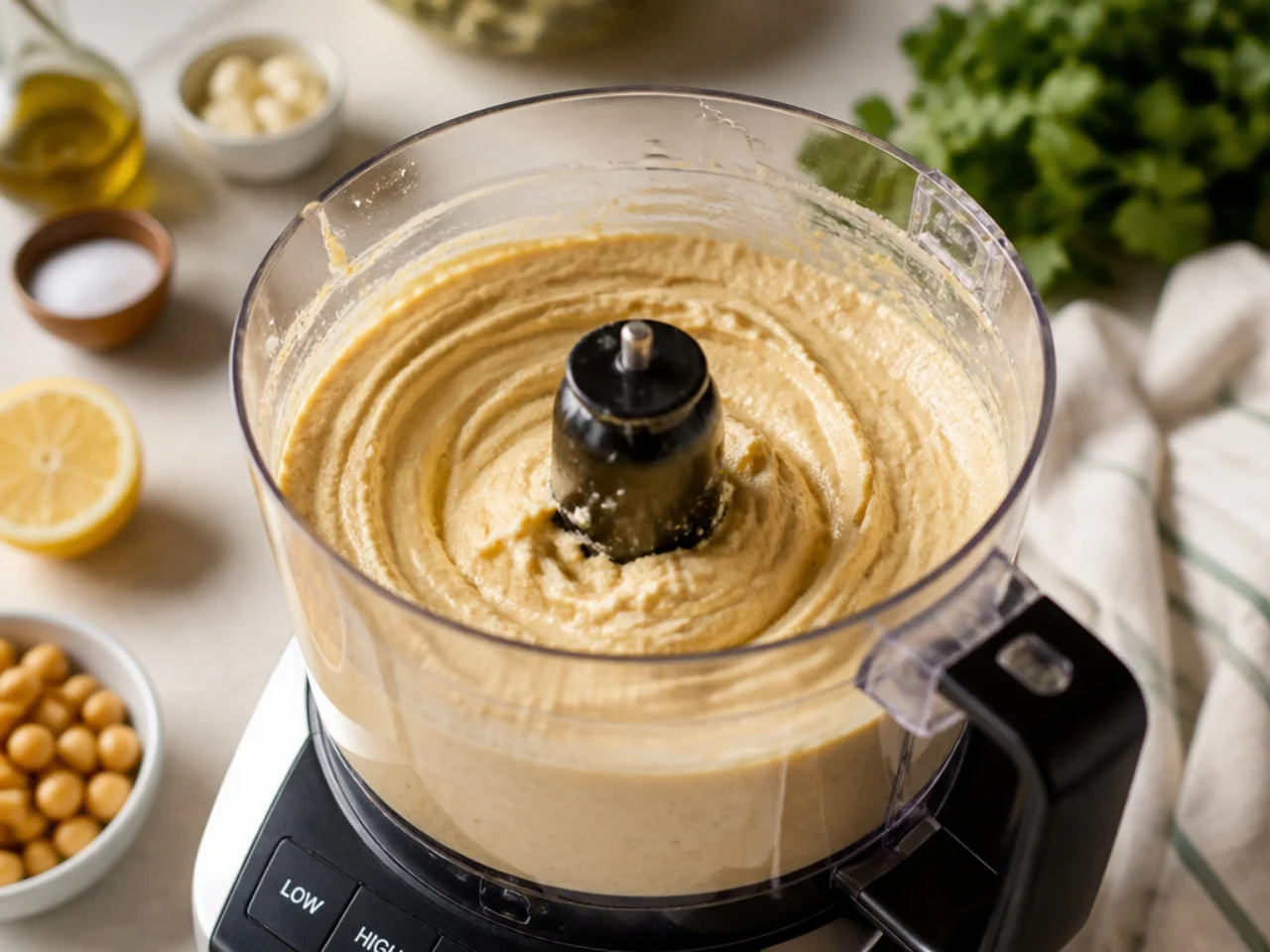
Patience at the blender is one of the biggest secrets, since a full three to five minutes turns a coarse paste into velvet. Stop to scrape down the sides, then let the machine run until you no longer see any grit. If it stiffens, loosen it with a splash of ice water and keep going.
11. Finish with Good Olive Oil
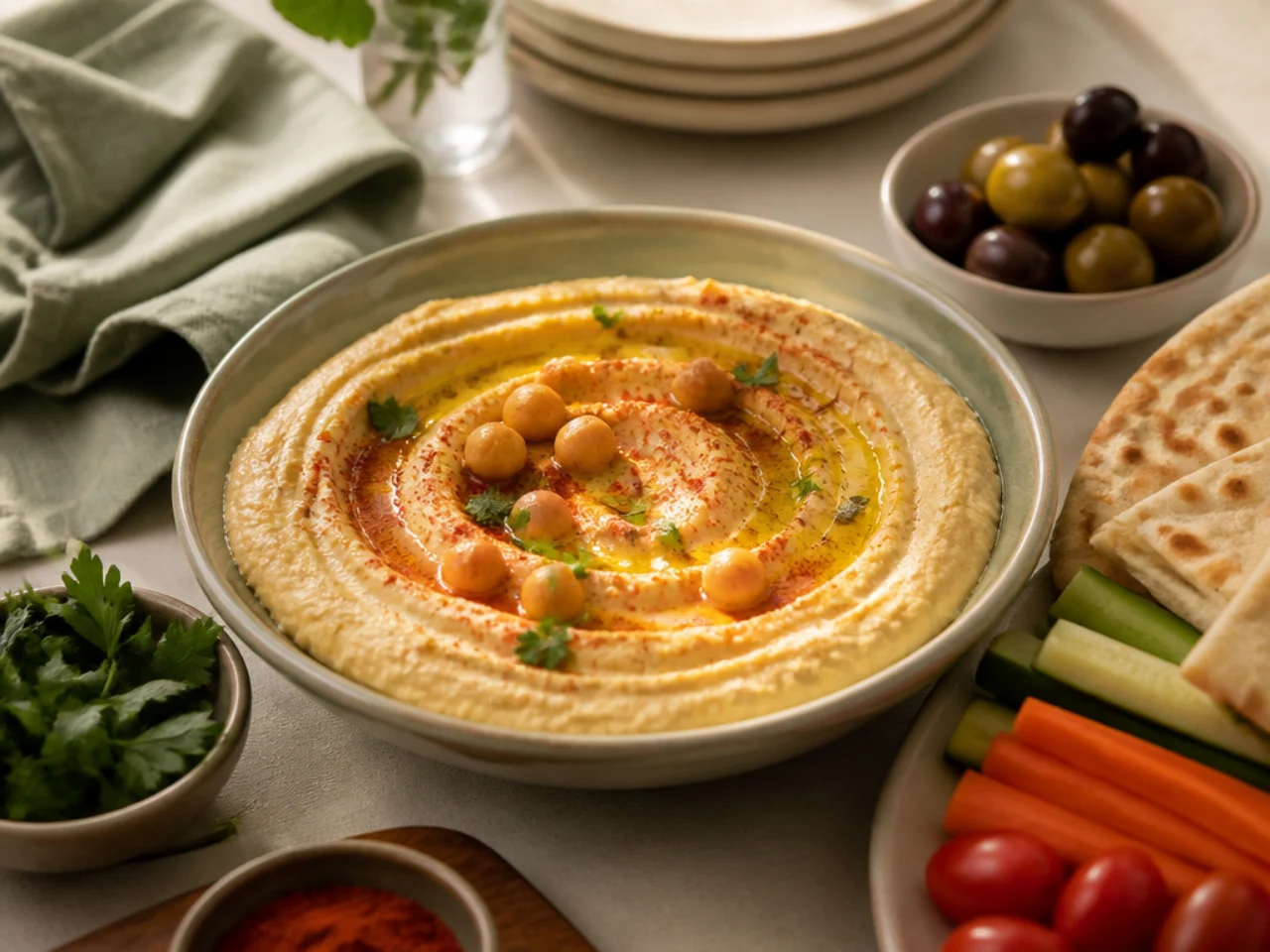
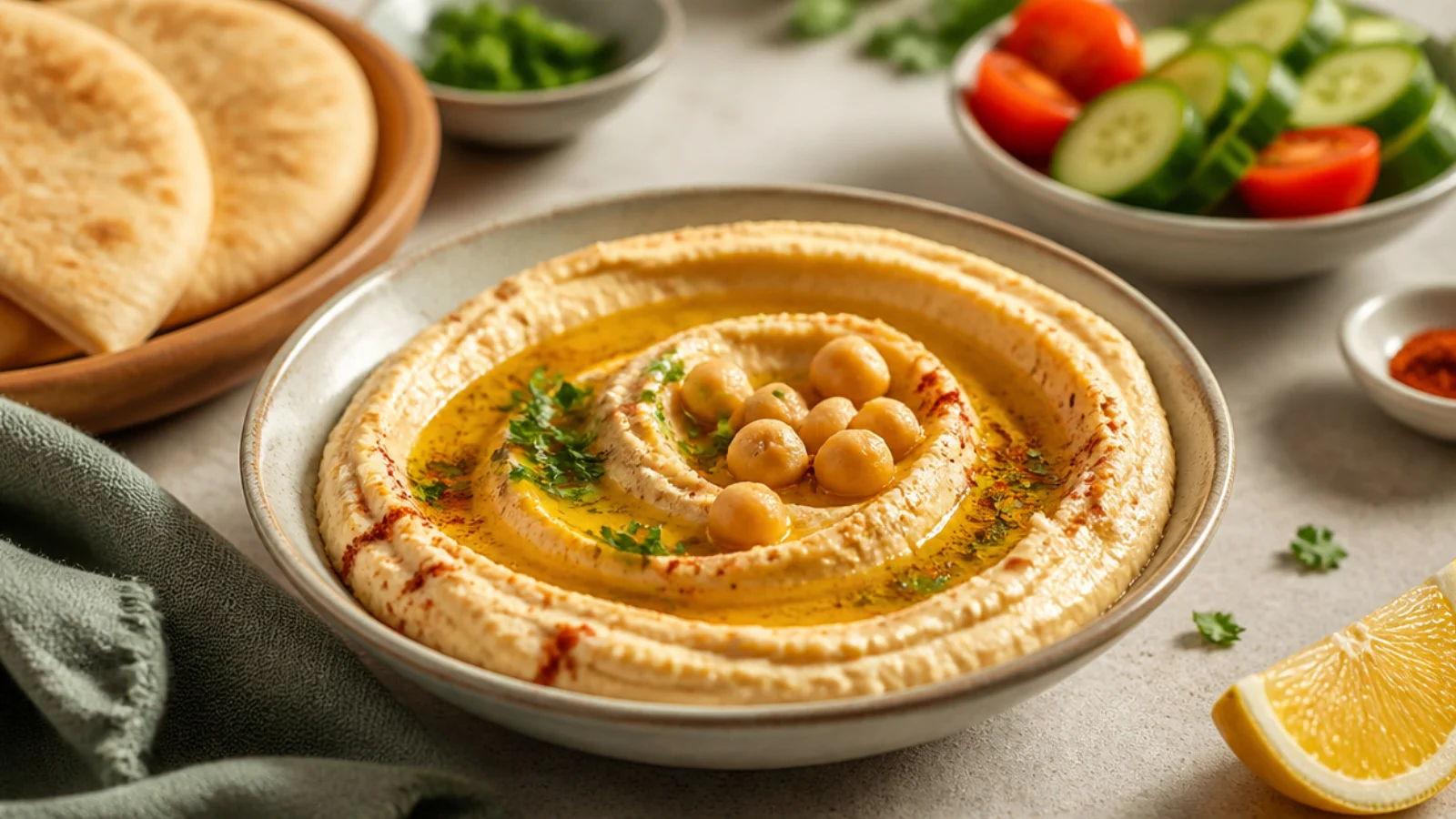
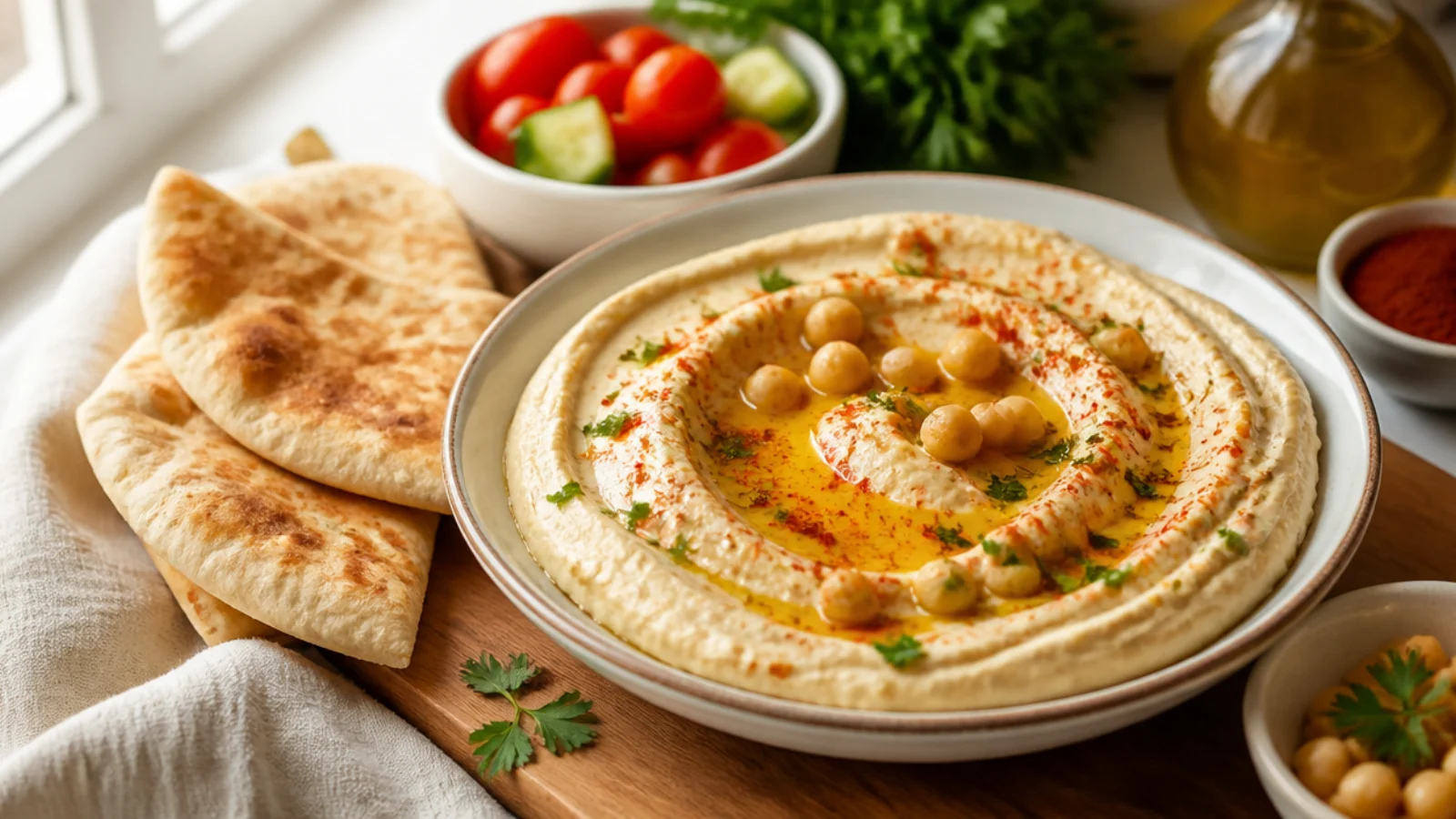
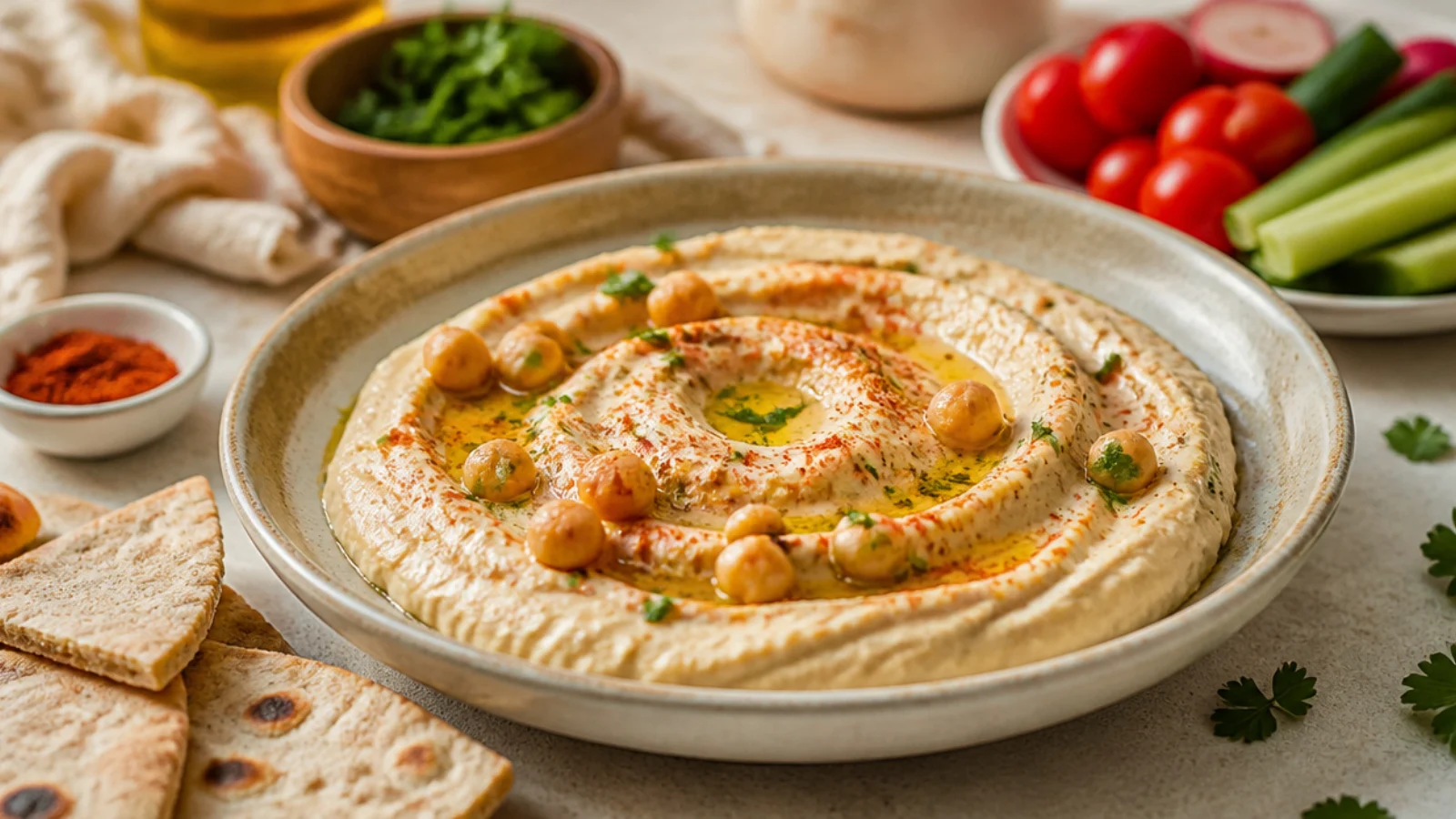
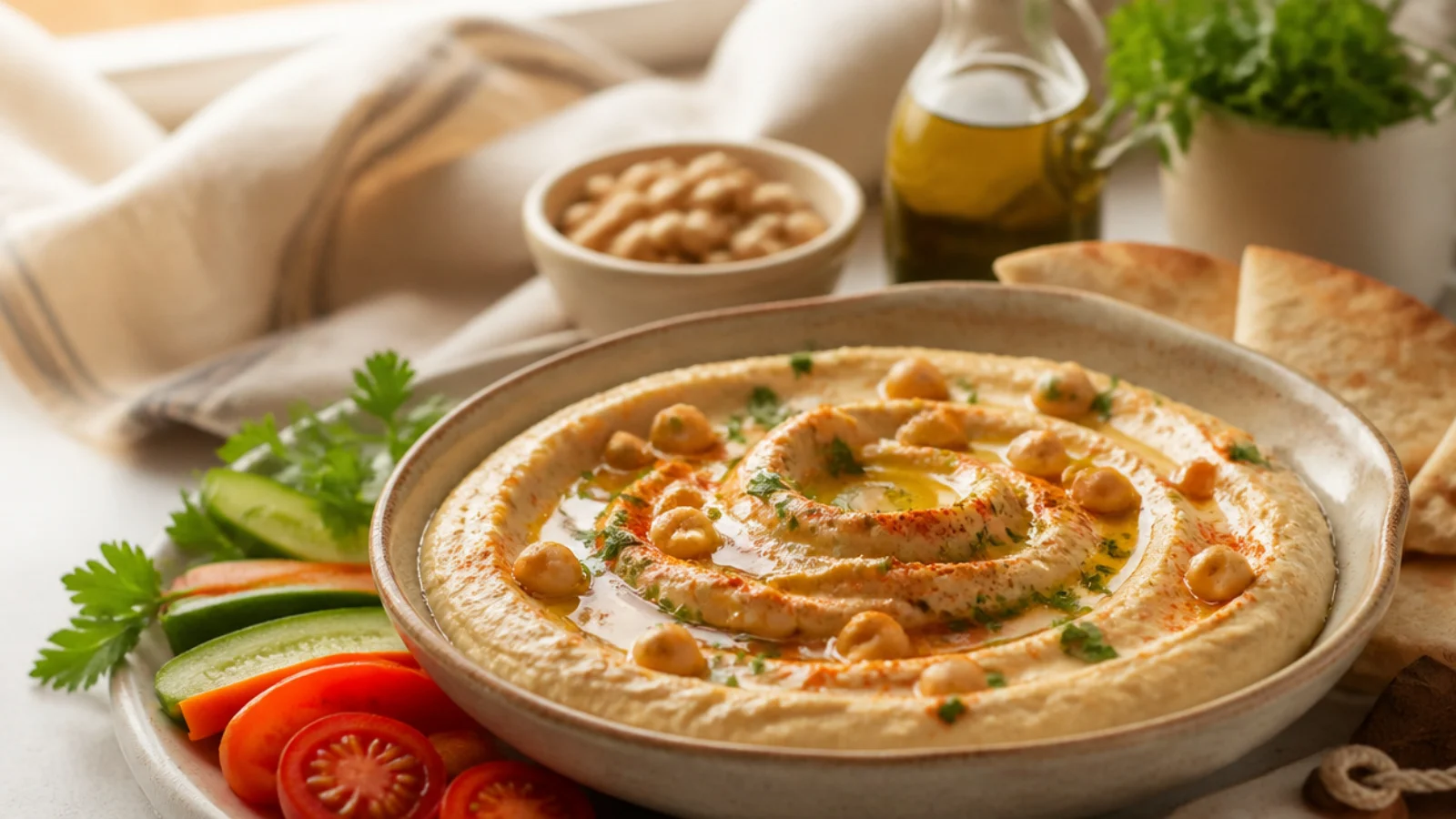
A generous drizzle of fruity extra-virgin olive oil over the top adds a glossy richness that ties the whole bowl together. The oil melts into the warm dip and carries flavor with every scoop, so save your best bottle for this moment. Swirl a shallow well in the surface first to catch the pool of gold.
12. Warm and Toast the Cumin
A pinch of freshly toasted, ground cumin adds a gentle earthy warmth that makes hummus taste deeper and more homemade. Toasting the seeds in a dry pan for a minute wakes up their oils before you grind them. Add it sparingly so it supports the tahini rather than taking over.
13. Adjust the Consistency to Serve
Thinning the hummus a touch for a smooth swoosh across a platter, or keeping it thick for scooping with pita, lets you tailor it to the occasion. A looser dip spreads into elegant ridges for topping with beans or roasted vegetables. Keep a little warm water nearby and loosen right before serving, since hummus firms up as it sits.
14. Salt in Stages
Adding salt gradually and tasting as you go brings out every other flavor without tipping the dip into salty territory. A well-seasoned hummus tastes vivid and complete, while an under-salted one falls flat no matter how smooth it is. Give it a final taste after chilling, since cold can mute the seasoning.
15. Let It Rest Before Serving
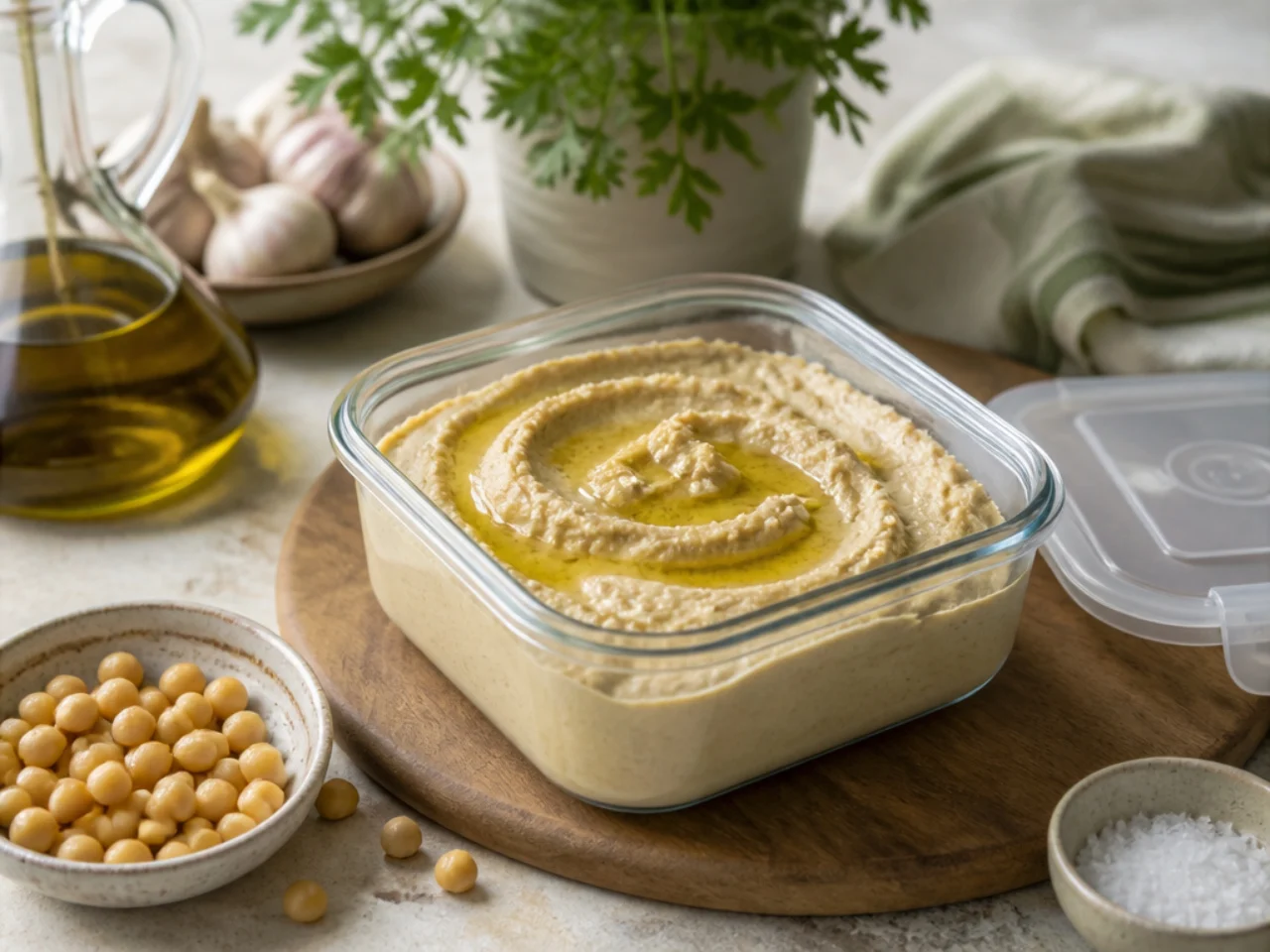
Giving finished hummus thirty minutes to rest lets the garlic, lemon, and tahini settle into one rounded, mellow flavor. The short rest also lets the texture relax into an even creamier spread. Pull it from the fridge a bit early so it comes back to a soft, scoopable room temperature before it hits the table.