1. Feed Your Starter First
A bubbly, active starter is the whole engine of sourdough monkey bread, so feed it 4 to 8 hours ahead until it doubles and floats in water. A sluggish starter means dense, gummy dough balls that never puff up. If you baked yesterday, give it a fresh feed the night before rather than pulling straight from the fridge.
2. Use Discard for a Faster Version
When you want the sourdough flavor without the long rise, stir unfed discard into a dough leavened with a little instant yeast. You still get that gentle tang and chew, but the whole thing is ready in a couple of hours instead of overnight. It is a smart way to bake on a busy morning and use up jarred discard at the same time.
3. Let It Rise Cold Overnight
A slow overnight rise in the fridge deepens the sour flavor and lets you bake fresh in the morning with almost no work. Shape the dough balls, layer them in the pan, cover well, and refrigerate for 8 to 12 hours. Pull the pan out an hour before baking so the dough warms up and finishes puffing on the counter.
4. Roll Even, Walnut-Size Balls
Uniform pieces about the size of a walnut bake evenly and pull apart cleanly, so no one gets a raw center next to a dry edge. Pinch the dough into rough portions, then cup each in your palm and roll on the counter for a smooth top. Slightly smaller balls also mean more surface area to catch the cinnamon-sugar coating.
5. Dip in Butter, Then Sugar
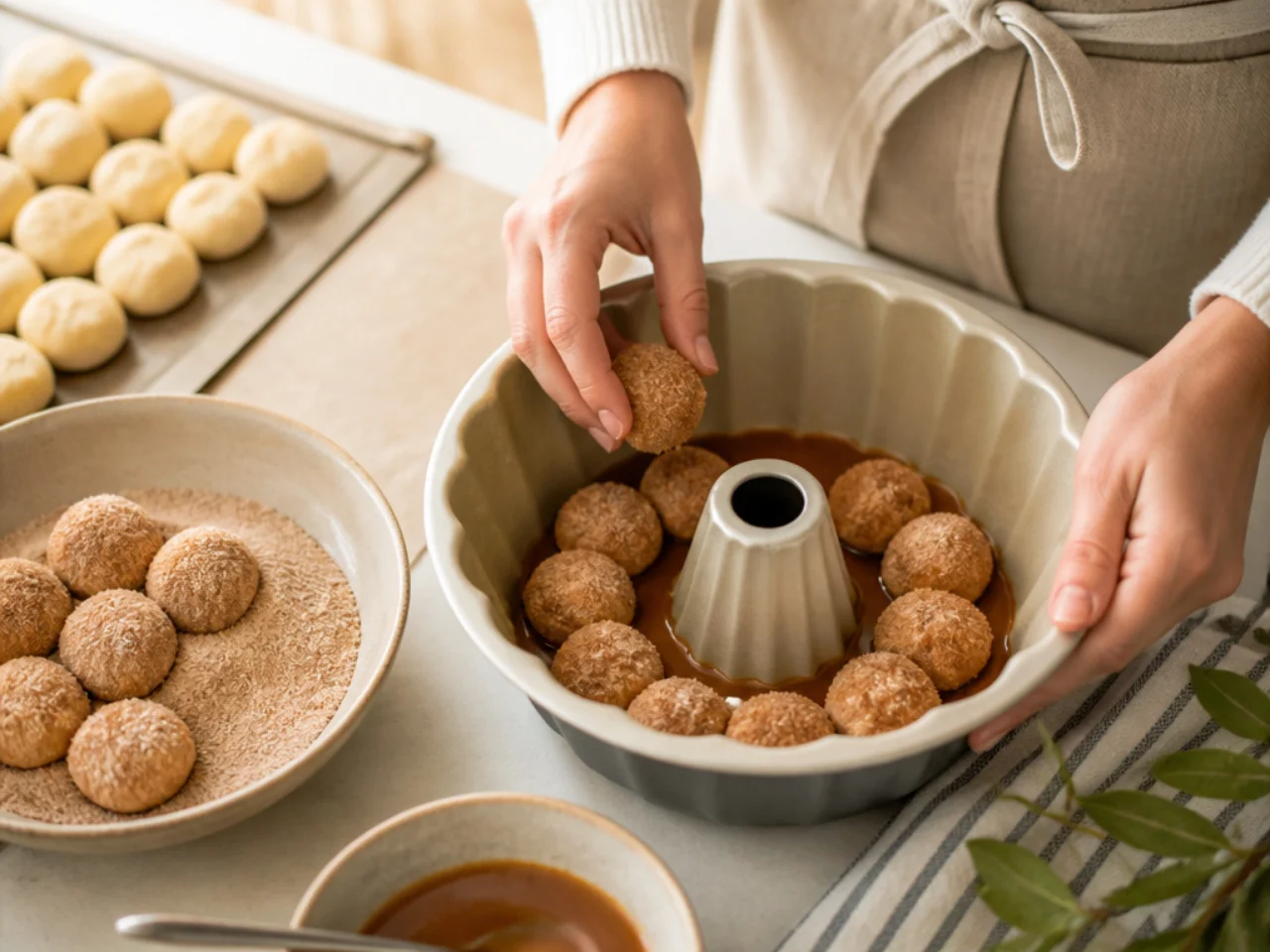
The classic move is a two-step coat: roll each ball in melted butter, then tumble it in cinnamon sugar so the coating clings in a thick, caramelized shell. Doing them separately keeps the sugar from clumping in the butter bowl. Work in small batches of five or six balls so the coating stays dry and even.
6. Build a Brown-Sugar Caramel Base
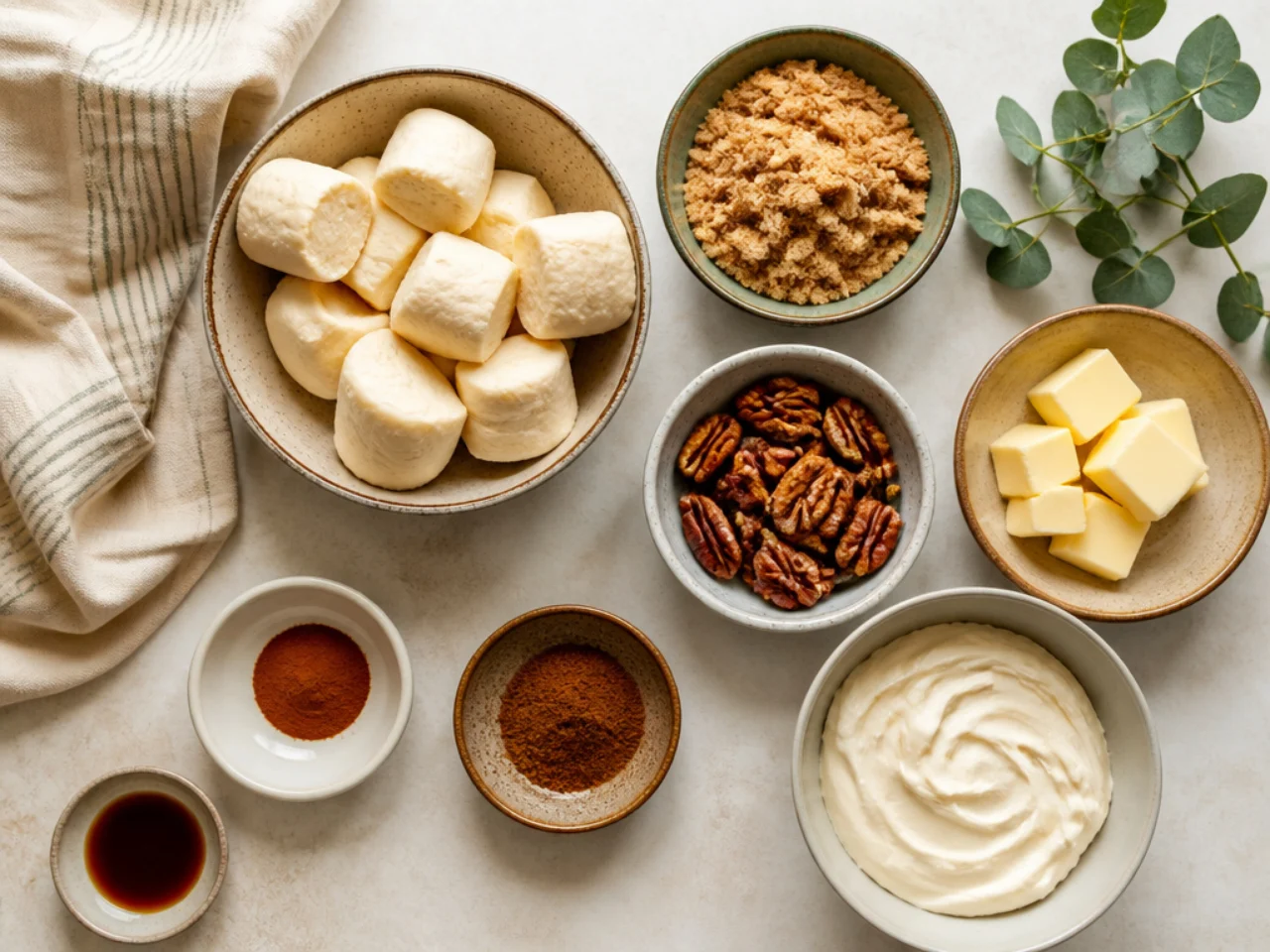
Pour a quick sauce of melted butter and brown sugar into the bottom of the pan before adding the dough. As it bakes it bubbles up between the pieces and sets into a sticky caramel when you invert the pan. A splash of heavy cream or a pinch of salt in that sauce keeps it from turning brittle and one-note.
7. Add Toasted Pecans for Crunch
Scatter toasted pecans into the caramel base and between the layers for a praline-style monkey bread with real crunch against the soft dough. Toasting the nuts first for a few minutes wakes up their flavor and keeps them from going soggy in the sauce. Walnuts or sliced almonds work just as well if that is what the pantry offers.
8. Try a Savory Cheese-and-Herb Batch
Skip the sugar entirely and roll the dough balls in melted butter, grated Parmesan, garlic, and chopped rosemary for a pull-apart dinner bread. The sourdough tang plays beautifully against sharp cheese, making it a natural partner for soup or a roast. Brush the top with more garlic butter in the last five minutes so it comes out glossy and fragrant.
9. Stuff the Centers with Cream Cheese
Tuck a small cube of cream cheese into each dough ball before coating for gooey, cheesecake-like pockets throughout the loaf. The tangy filling melts into the crumb and balances the sweetness of the caramel. Chill the cream cheese cubes firm first so they are easy to seal inside without oozing out during shaping.
10. Fold in Apples for a Fall Version
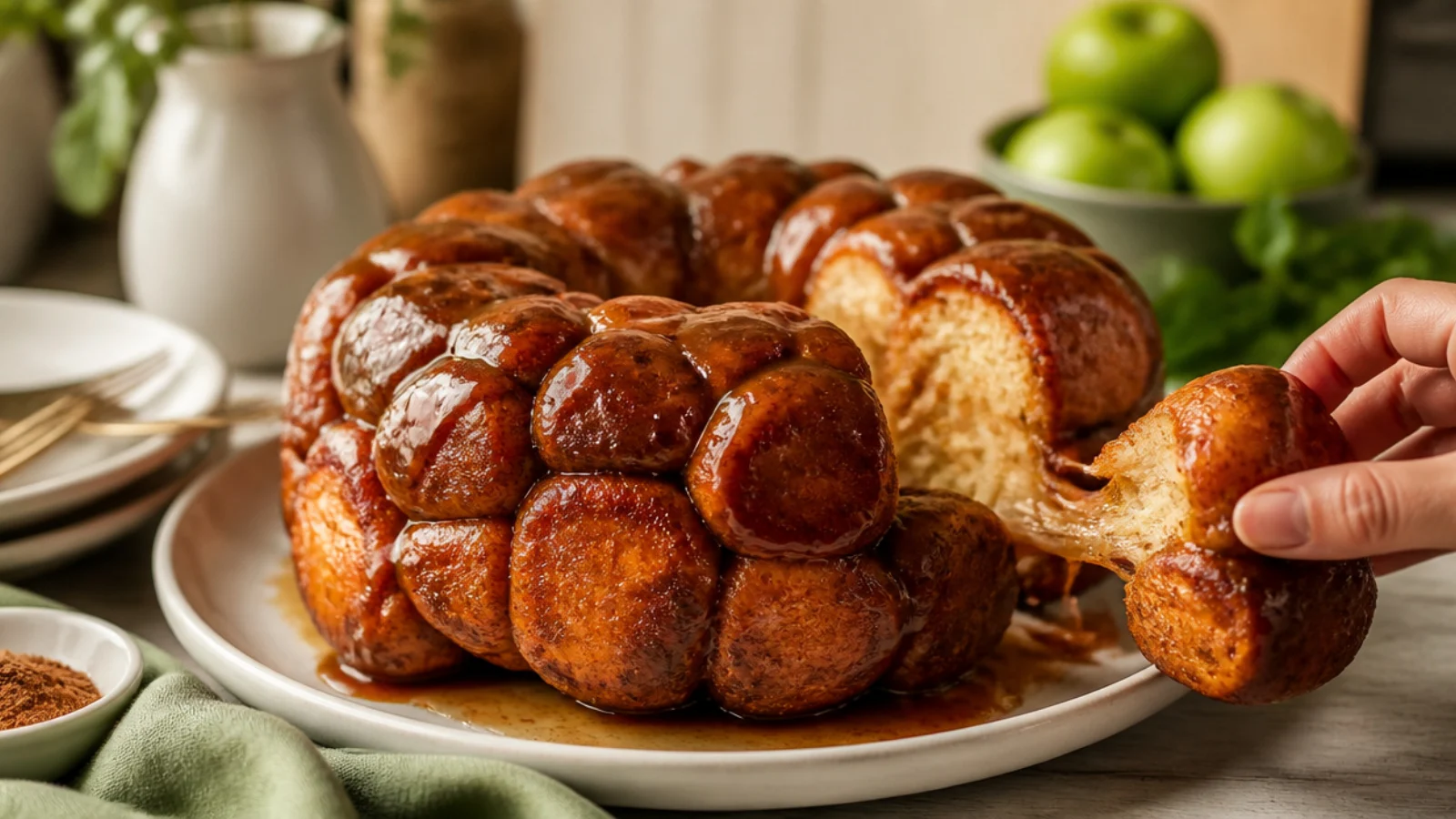
Toss small cubes of firm apple with cinnamon and layer them among the dough balls for a monkey bread that tastes like a warm caramel-apple pie. Choose a tart, sturdy apple like Granny Smith so the pieces hold their shape instead of turning to mush. A little extra brown sugar in the caramel rounds out the fruit's tartness.
11. Bake in a Bundt Pan
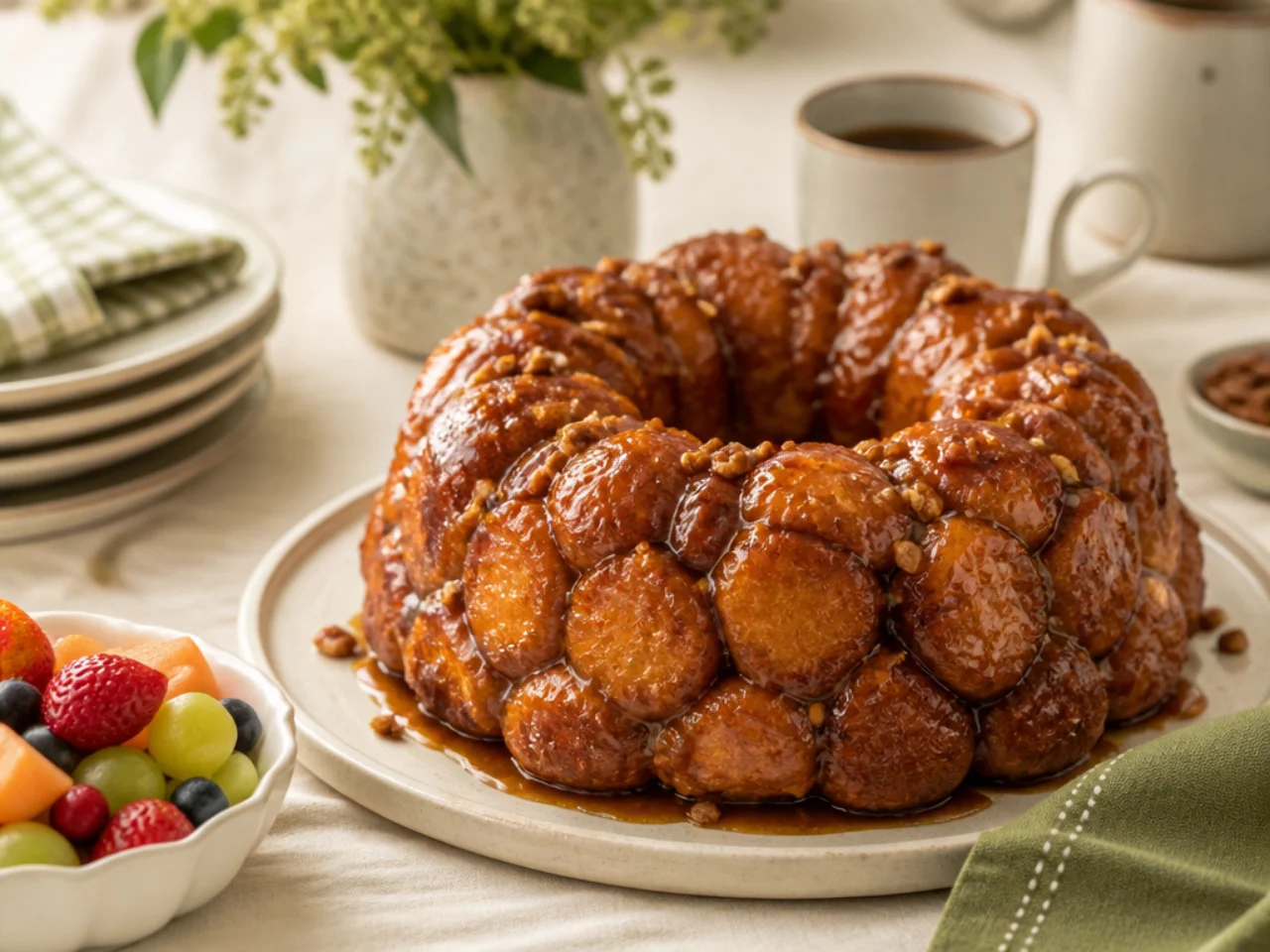
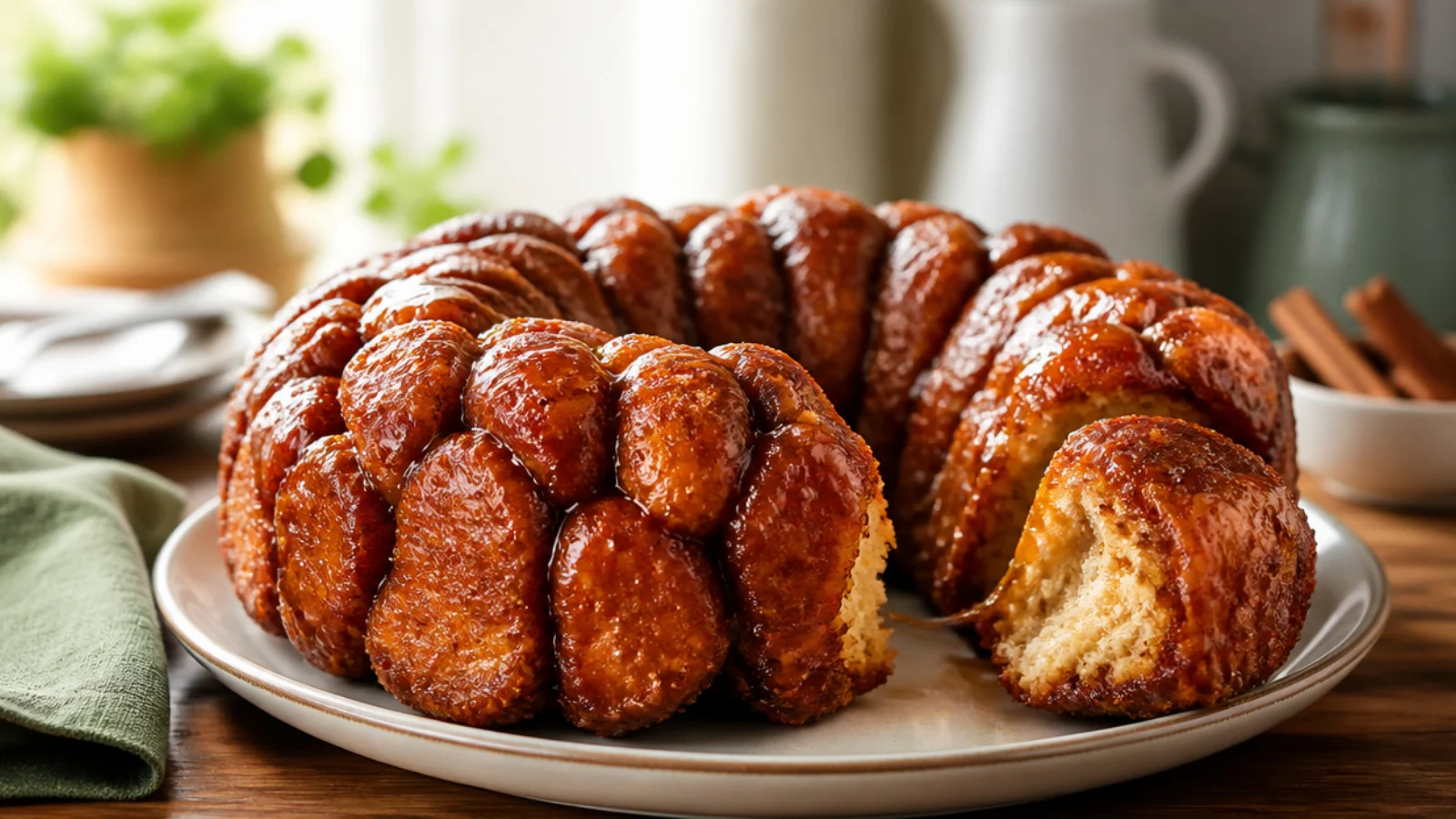
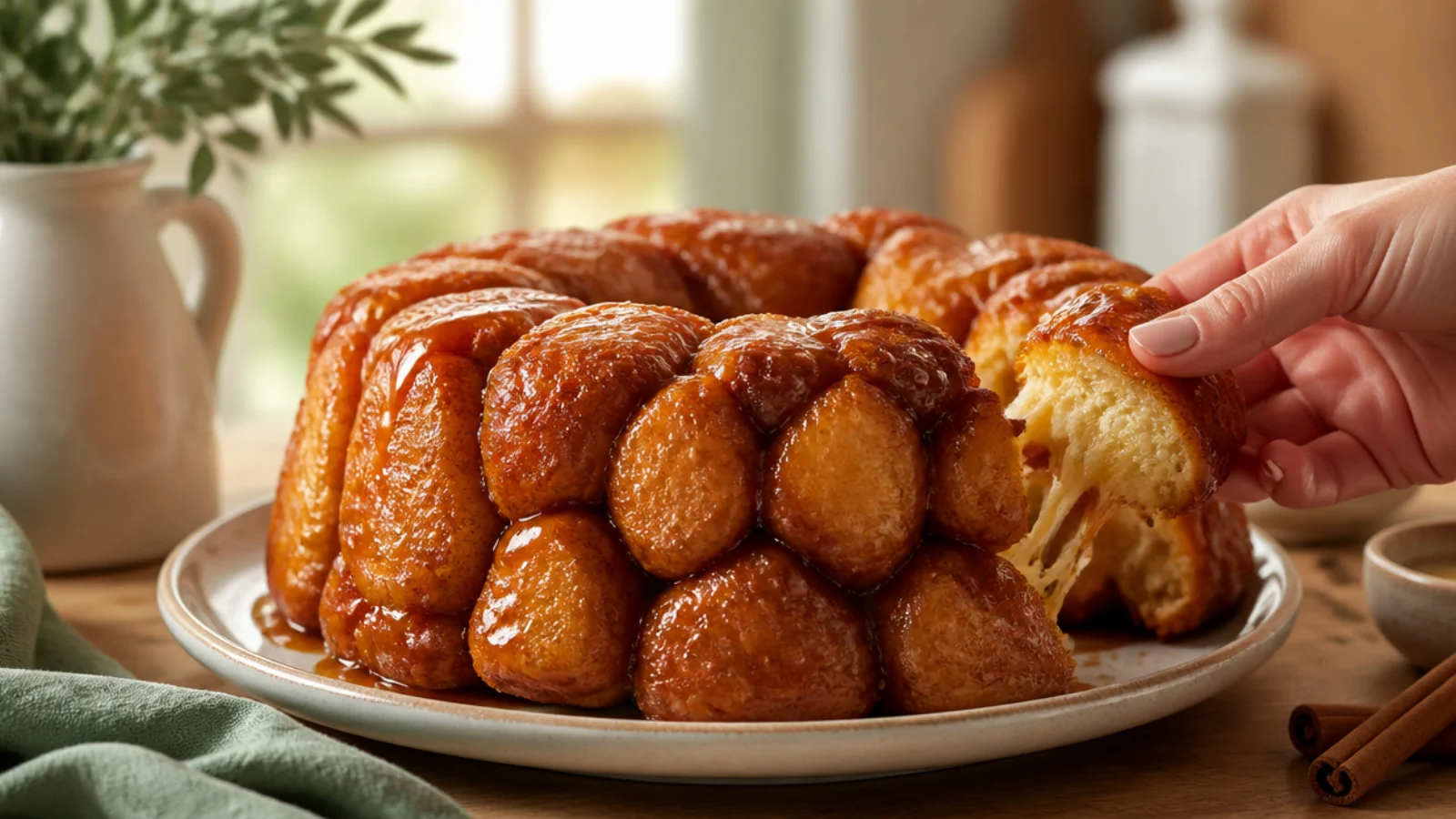
A bundt or tube pan is the sourdough monkey bread classic because the center tube helps the dense middle cook through evenly. Grease every ridge generously with butter or nonstick spray so the caramel releases cleanly when you flip it. If you only have a loaf pan, use it but expect a longer bake and a slightly softer center.
12. Check Doneness at the Center
The outside can look beautifully bronzed while the middle stays raw, which is the most common monkey bread letdown. Slide a thermometer into the deepest cluster of dough and pull the pan at about 190 to 200°F, or when a skewer comes out with no wet dough. Tenting the top with foil in the last stretch stops the crust from scorching while the center catches up.
13. Invert While It Is Still Warm
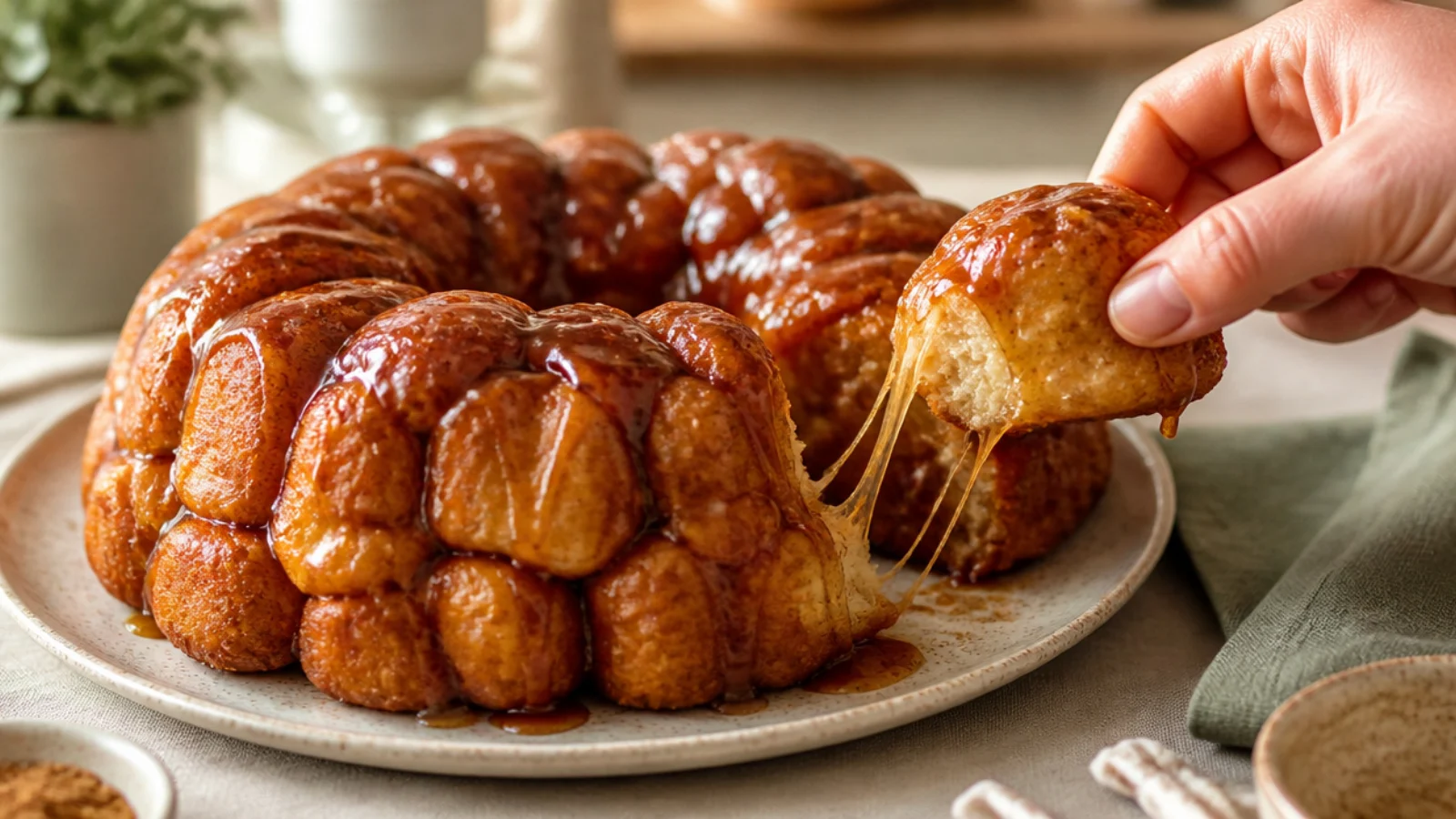
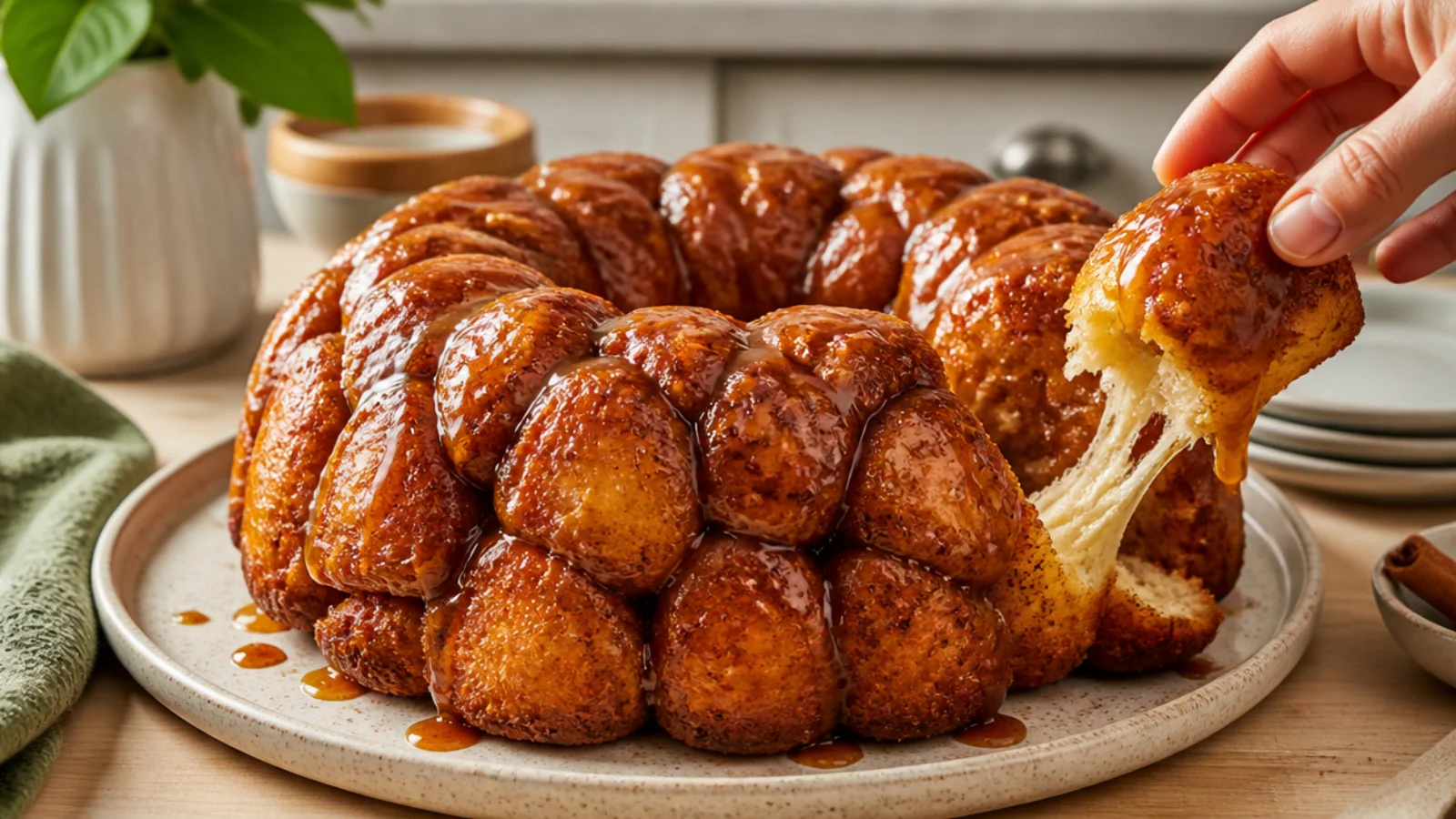
Let the baked bread rest just 5 to 10 minutes, then flip it onto a plate so all that caramel pours down over the top. Wait too long and the sugar sets like glue, gluing the loaf to the pan. Run a thin knife around the edge before inverting to loosen any stubborn spots and keep the shape intact.
14. Add a Simple Glaze Drizzle
A thin glaze of powdered sugar whisked with milk or cream cheese adds a bakery-style finish and a little extra sweetness where the caramel is thin. Drizzle it once the bread has cooled slightly so it sets into pretty white ribbons instead of melting away. A drop of vanilla or a squeeze of orange keeps the glaze from tasting flat.
15. Reheat to Bring Back the Pull-Apart
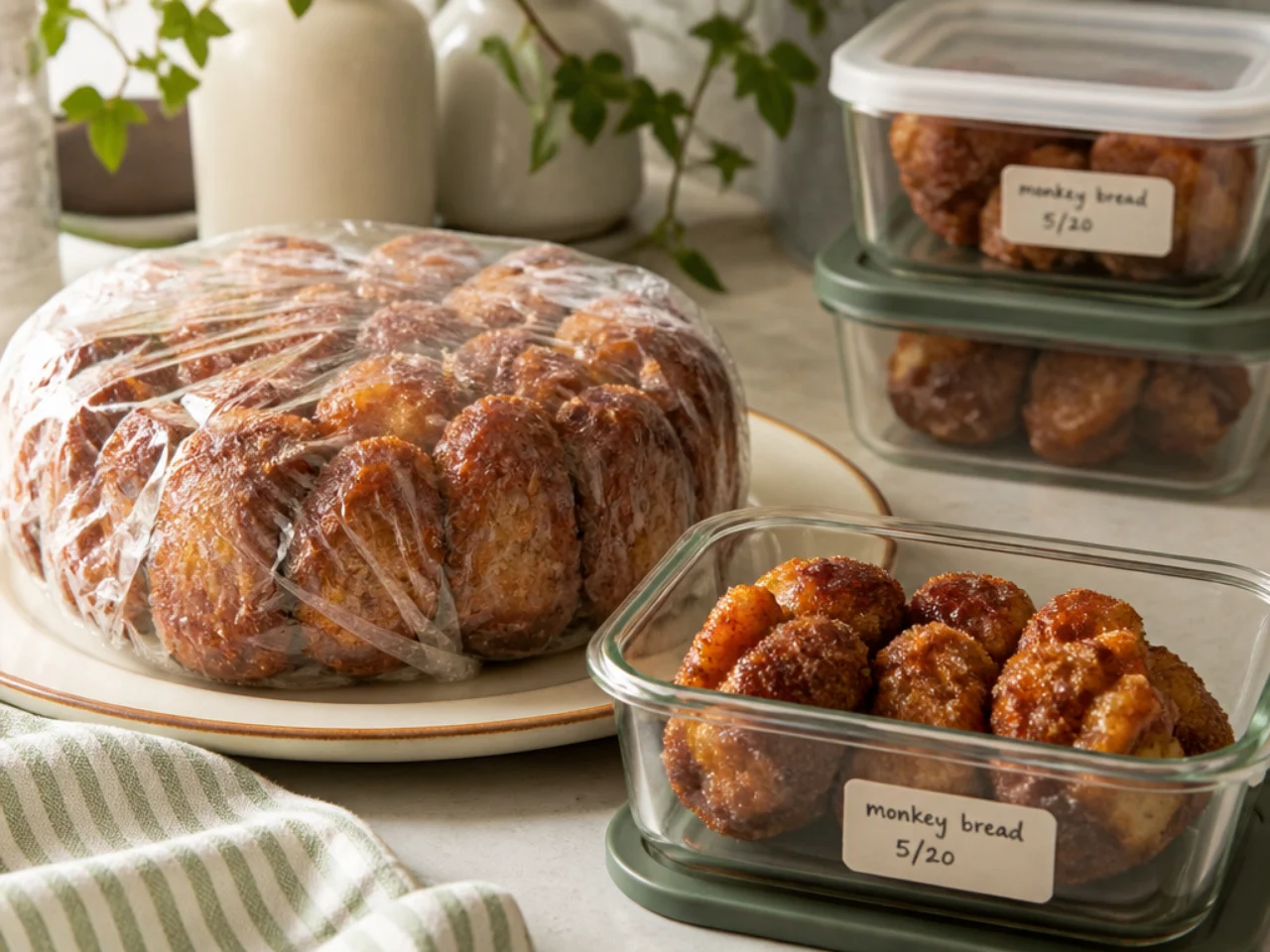
Sourdough monkey bread is best warm, and day-old pieces firm up fast, but they revive with a quick reheat. Wrap portions in foil and warm in a low oven, or microwave a few pieces for 15 to 20 seconds until the caramel goes soft and sticky again. A fresh drizzle of melted butter over the top makes leftovers taste just-baked.