1. Using beef instead of lamb
A truly traditional shepherd's pie is made with lamb, while the beef version is actually cottage pie. Swapping the meat changes the whole character of the dish, trading lamb's rich, slightly gamey warmth for something milder and less authentic. If you want the classic taste, reach for ground lamb and save the beef for another night.
2. Watery, runny filling
A soupy filling soaks into the mashed potato and turns the whole pie into a sad puddle. The fix is to simmer the meat and gravy until it thickens and coats the spoon, and a spoonful of flour or tomato paste stirred in early helps it set. A thick, glossy filling holds its shape and gives you clean, satisfying slices.
3. Skipping the browning step
Dumping raw lamb straight into liquid leaves it gray, bland, and steamed rather than seared. Taking the time to brown the meat over good heat builds a deep, savory base that carries the entire pie. Let it sizzle undisturbed for a minute or two before stirring so it develops real color and flavor.
4. Bland, under-seasoned mash
Plain, unsalted mashed potato on top tastes like wallpaper paste and drags the whole dish down. Season the mash generously with salt, warm butter, and a splash of milk so it's creamy and full of flavor in its own right. A little grated nutmeg or white pepper adds a gentle warmth that makes the topping shine.
5. Forgetting the vegetables
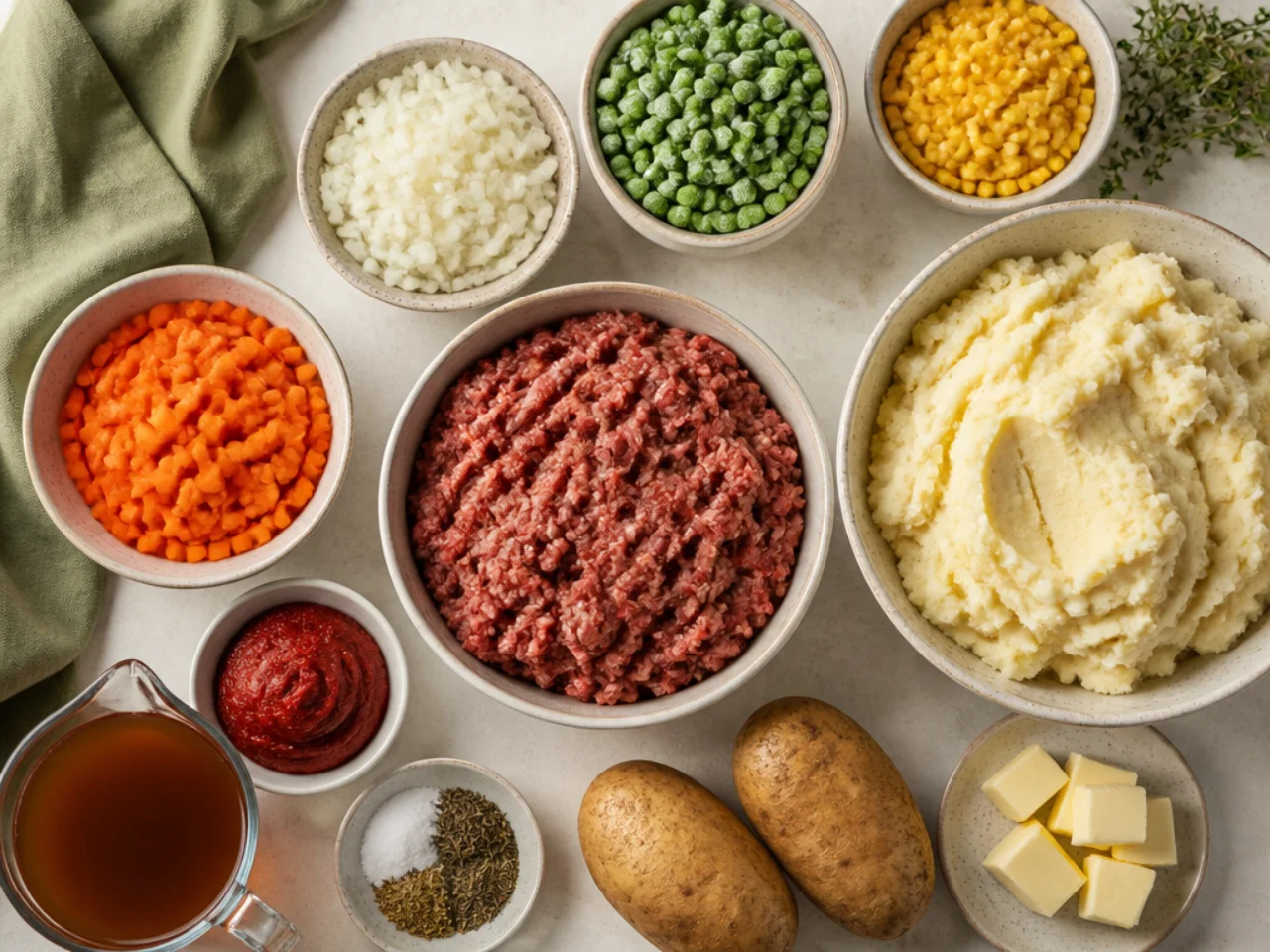
A traditional shepherd's pie leans on humble vegetables like carrots, onions, and peas for sweetness, texture, and color. Leaving them out makes the filling one-note and heavy. Dice the carrots small so they soften fully, and stir the peas in near the end so they stay bright and fresh.
6. Overworking the mashed potato
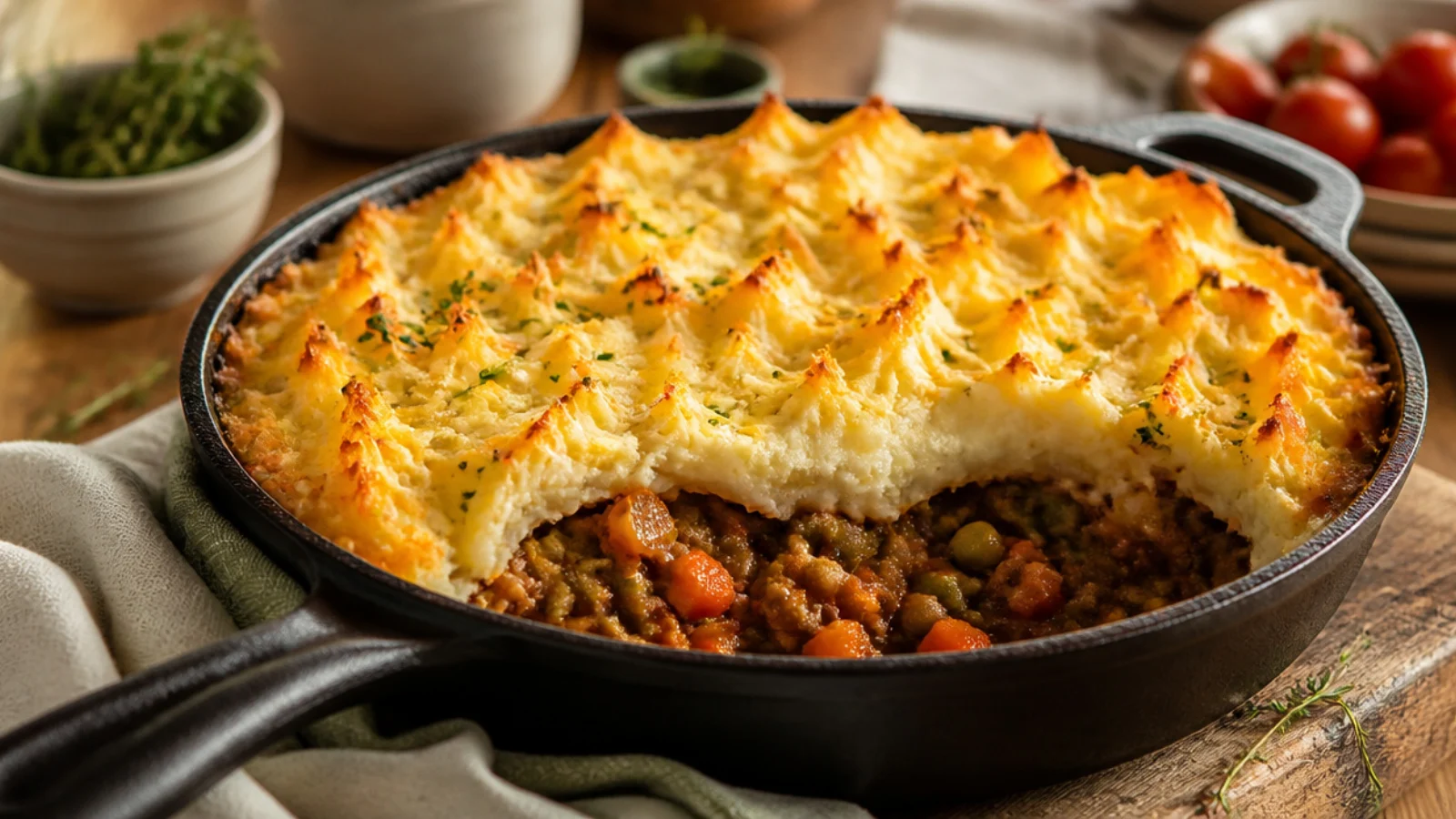
Whipping the potatoes in a food processor or beating them too hard releases their starch and turns them gluey. For a fluffy topping, mash by hand or push them through a ricer, then fold in the butter and milk gently. Light, airy mash crisps up beautifully in the oven instead of sitting flat and rubbery.
7. Leaving out Worcestershire sauce
That deep, tangy savoriness in a proper shepherd's pie often comes from a good glug of Worcestershire sauce. Skip it and the filling can taste flat and a little empty. Add a tablespoon or two along with the stock, and a dash of soy sauce works nicely as a backup for extra depth.
8. Using cold, dry leftover mash
Straight-from-the-fridge mash is stiff and hard to spread, tearing the topping and leaving gaps where gravy bubbles through. Warm it and loosen it with a little extra butter or milk so it spreads smoothly across the filling. A soft, pliable topping seals the pie and bakes into an even, golden crust.
9. Not building enough gravy flavor
A weak, thin gravy makes the filling taste like plain simmered meat. Build real depth with good stock, a spoon of tomato paste, and a sprig of thyme or rosemary cooked right into the sauce. Let it reduce slowly so the flavors concentrate and the filling turns rich and deeply savory.
10. Skipping the final broil
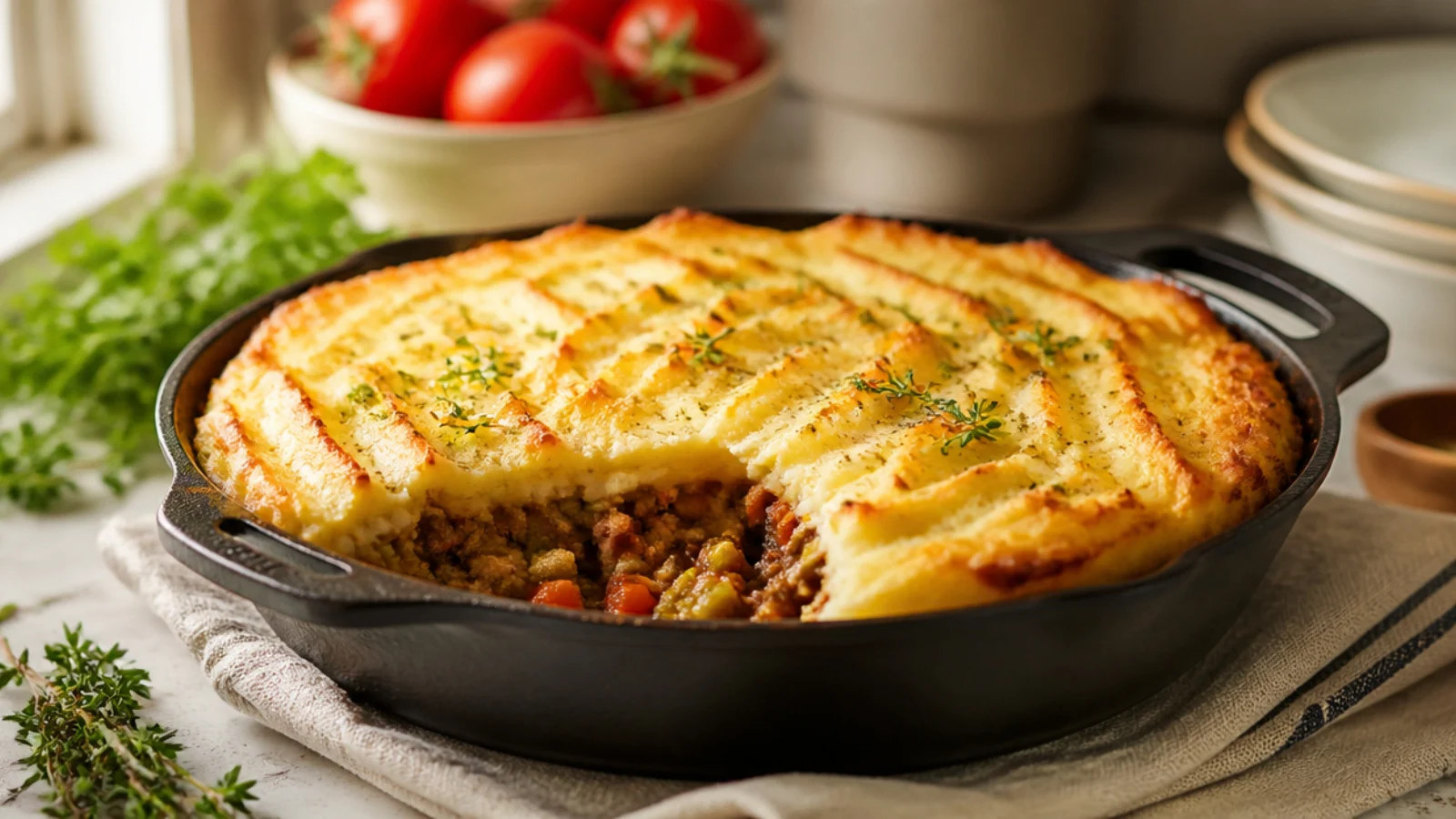
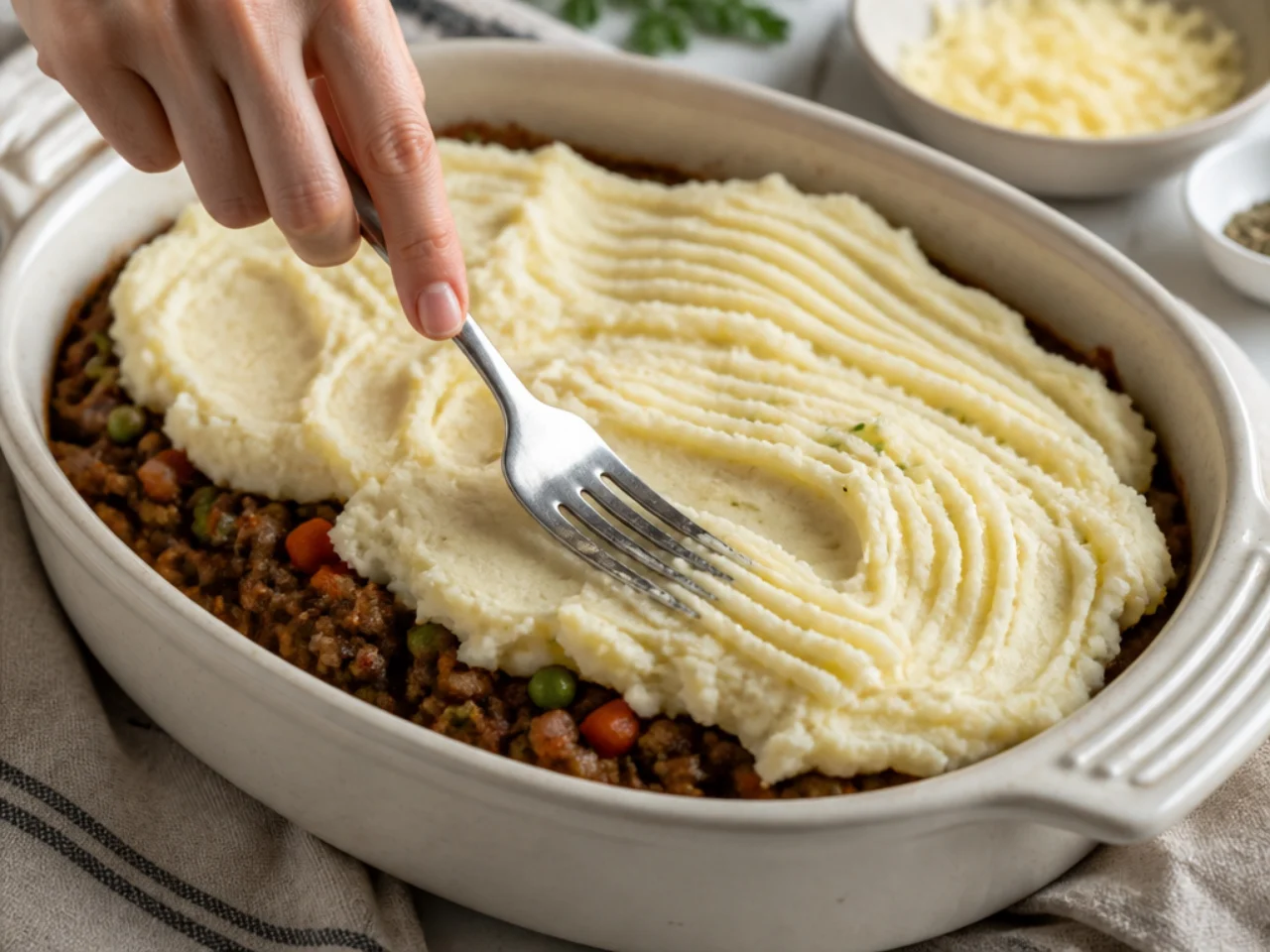
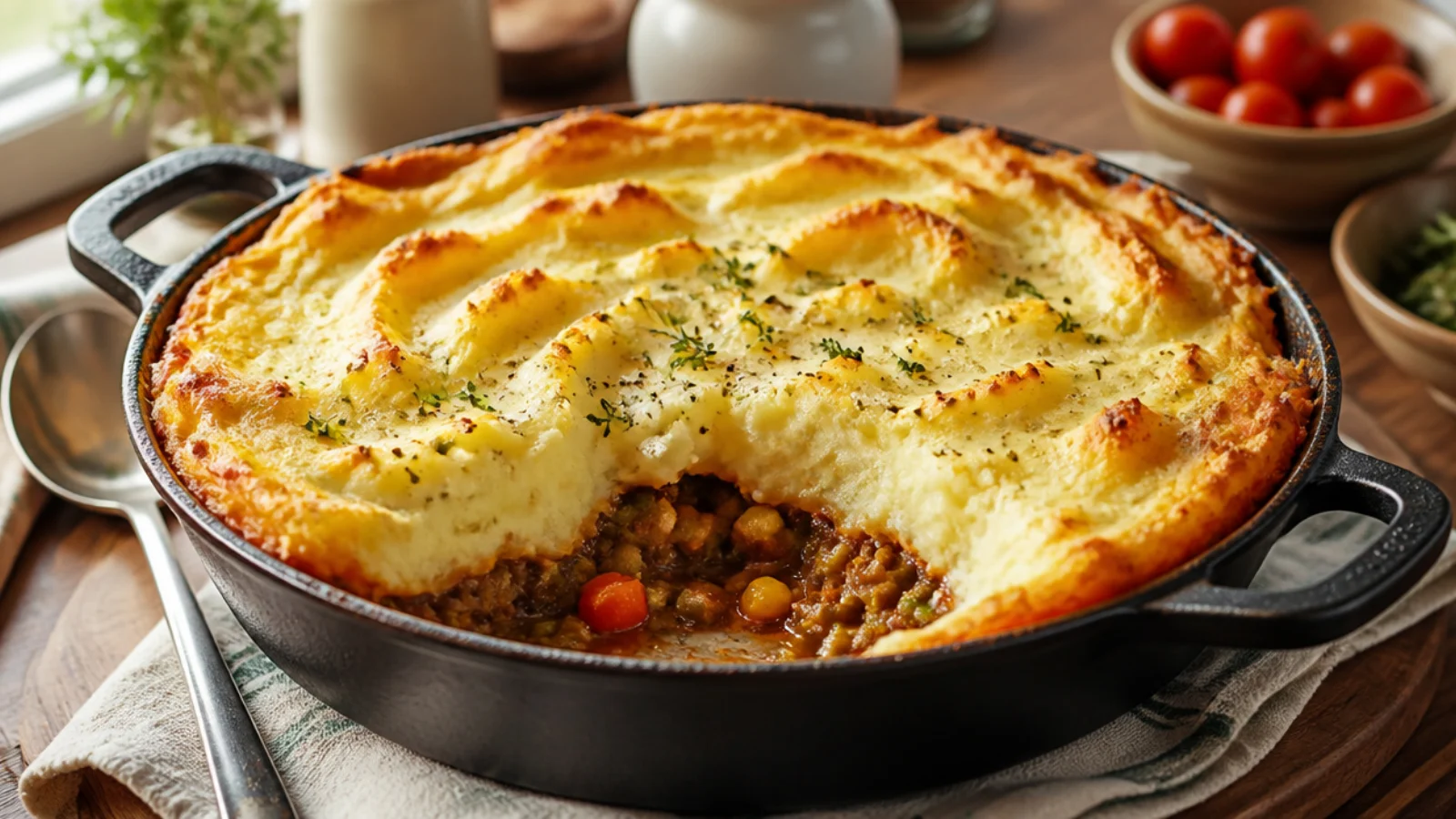
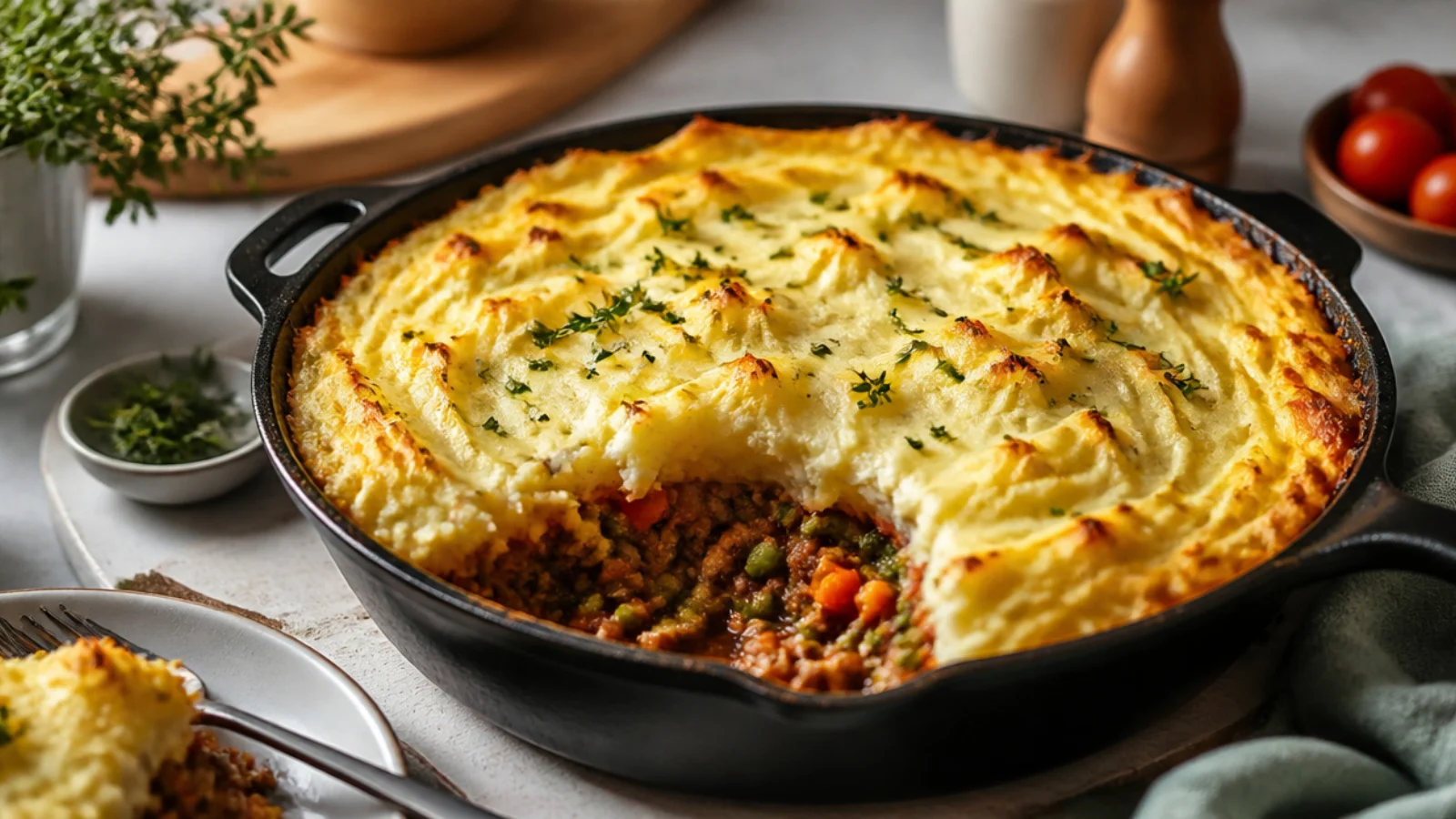
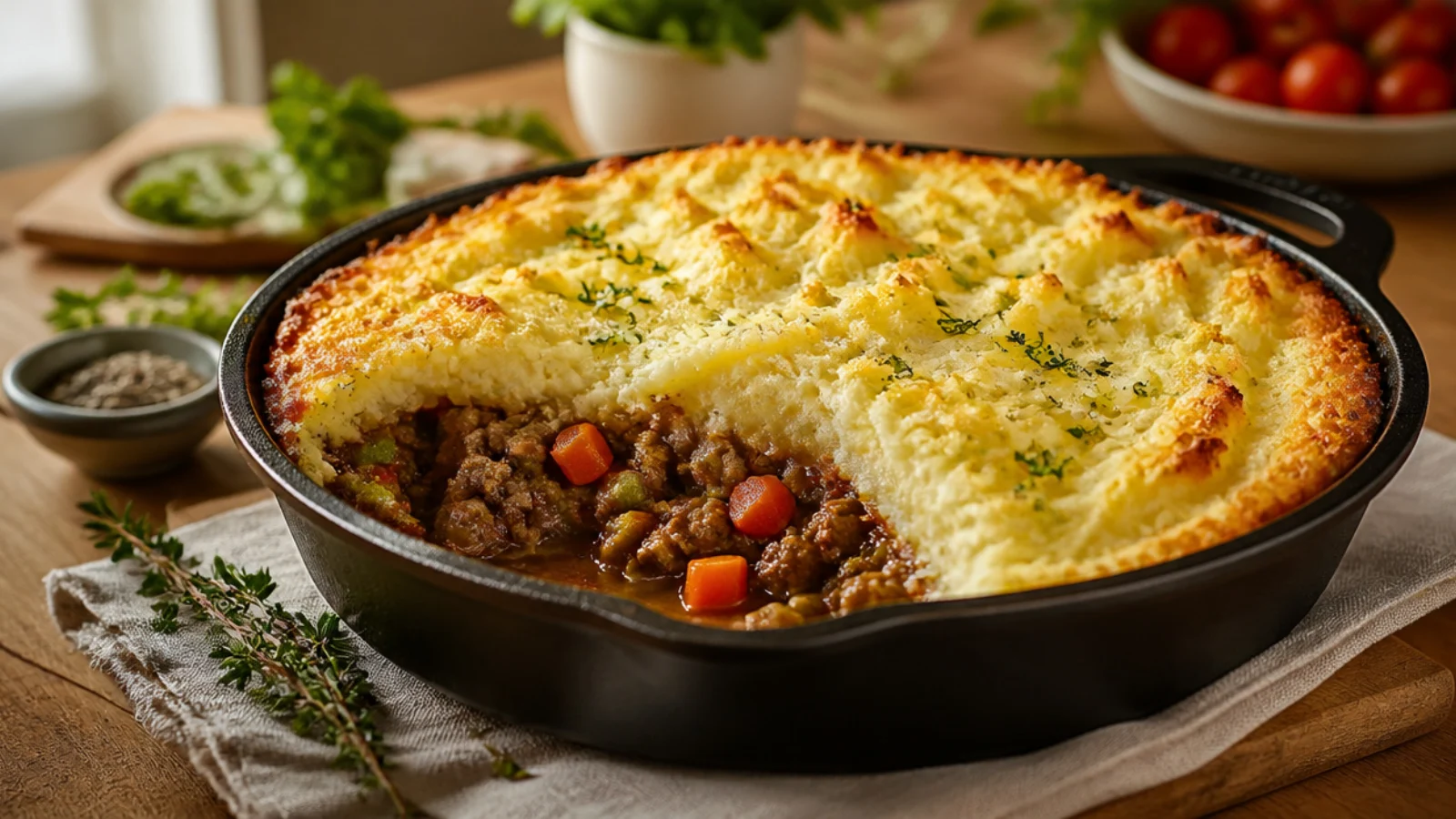
Pull the pie out the moment the mash is merely warm and you miss the best part, that crisp, golden crust. A few minutes under the broiler at the end turns the top ridges deep brown and slightly crunchy. Rough the mash up with a fork first so those peaks catch the heat and crisp beautifully.
11. Overfilling the baking dish
Packing the dish right to the rim guarantees a messy overflow, as the filling bubbles up and spills over the sides in the oven. Leave a little room at the top and set the dish on a baking sheet to catch any drips. A slightly under-filled pie bakes cleaner and is far easier to serve neatly.
12. Serving it straight from the oven
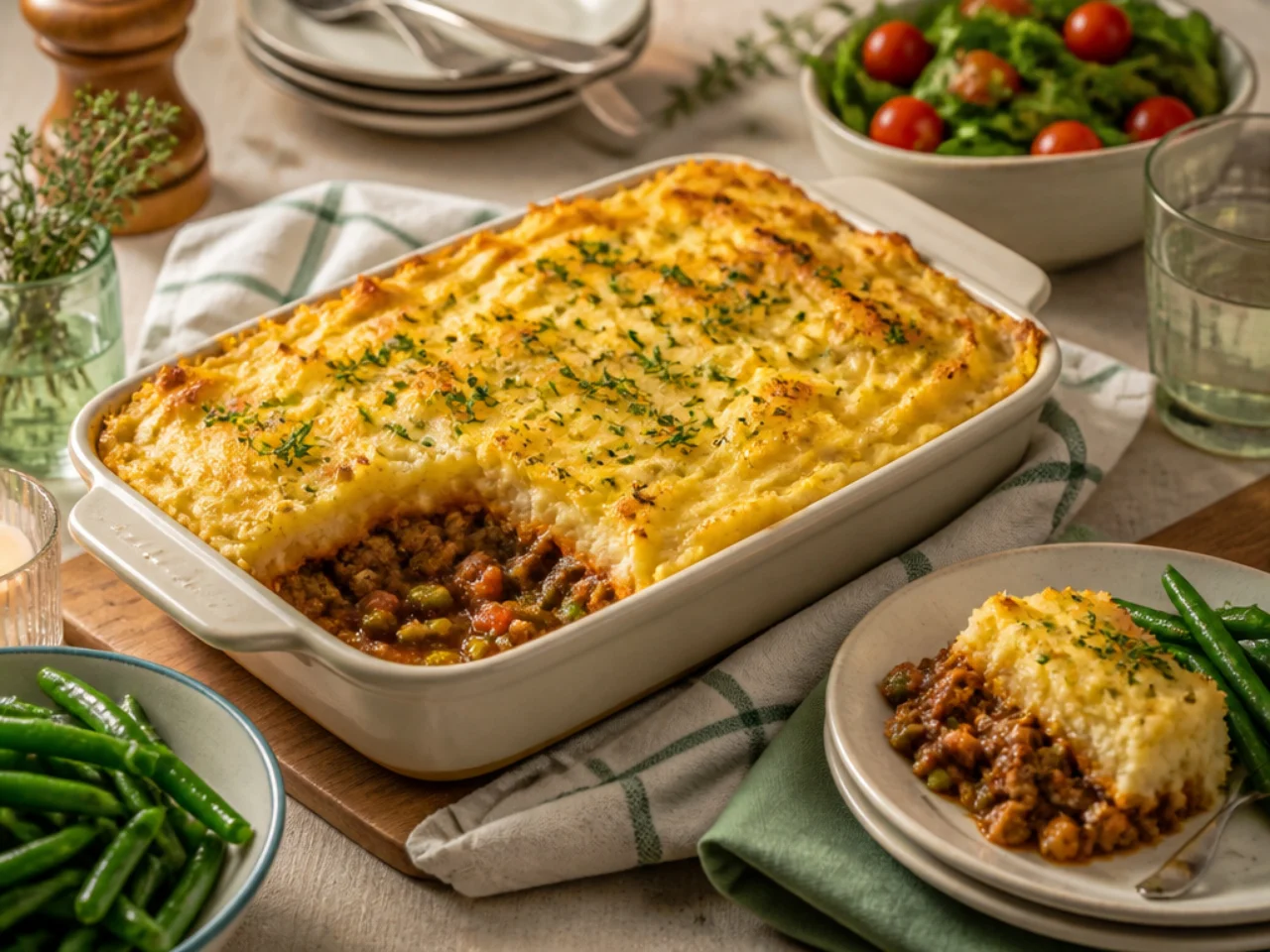
Cutting into a piping-hot pie the second it comes out sends the filling sliding everywhere and burns eager mouths. Let it rest for ten to fifteen minutes so the layers settle and firm up. That short wait rewards you with tidy portions that hold together on the plate.
13. Using lean meat with no fat
Extra-lean lamb might seem healthier, but without a little fat the filling turns dry and crumbly. A modest amount of fat carries flavor and keeps the meat tender and juicy. Choose a standard ground lamb, and if it renders a lot of grease, simply spoon off the excess before adding your gravy.
14. No barrier between meat and mash
Spooning mash directly onto a loose, wet filling lets the two layers blur into one muddy mess. Make sure the filling is thick and slightly cooled first, then dollop the mash in spoonfuls and gently spread from the edges inward. This keeps a clean line between the savory base and the fluffy topping.
15. Forgetting a touch of cheese
While not strictly essential, a light scatter of sharp cheddar over the mash before baking adds a wonderful salty, golden finish. Leaving it off means missing an easy layer of flavor and that irresistible crust. Grate it fresh and use a restrained hand so it complements the lamb rather than overpowering it.